How Heat and Humidity Damage Your Car’s Interior Roof
Your car’s roof lining endures harsh conditions that most vehicle owners never consider until problems become visible. The headliner, as professionals call it, faces constant exposure to temperature extremes and moisture that gradually deteriorate the materials holding it in place. Sydney’s climate creates particularly challenging conditions for automotive interiors, with hot summers and humid periods that accelerate roof lining damage. Understanding how heat and humidity affect your car’s headliner helps you recognize early warning signs and take preventive action before minor issues become expensive repairs.
Understanding Your Car’s Roof Lining Structure
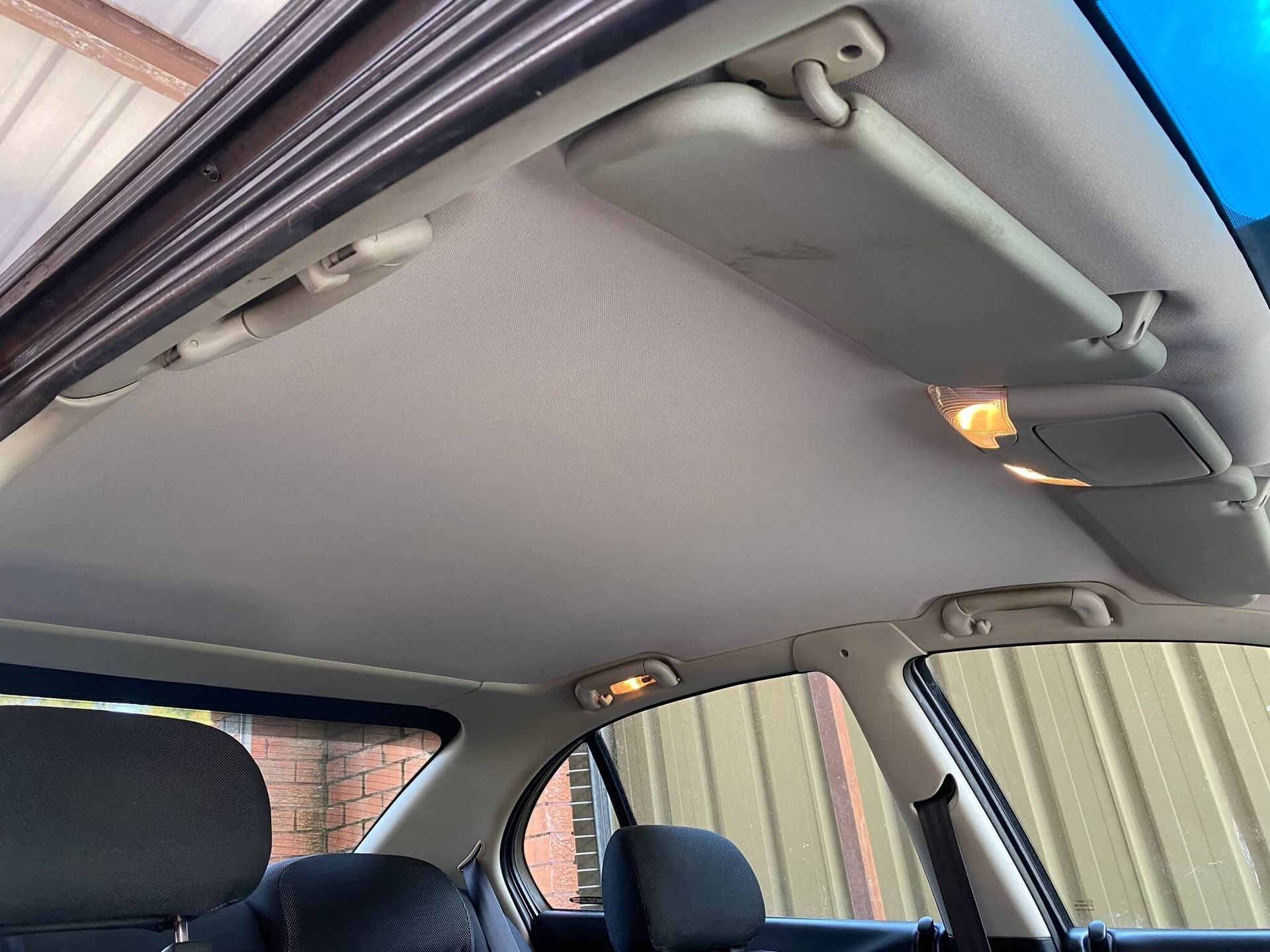
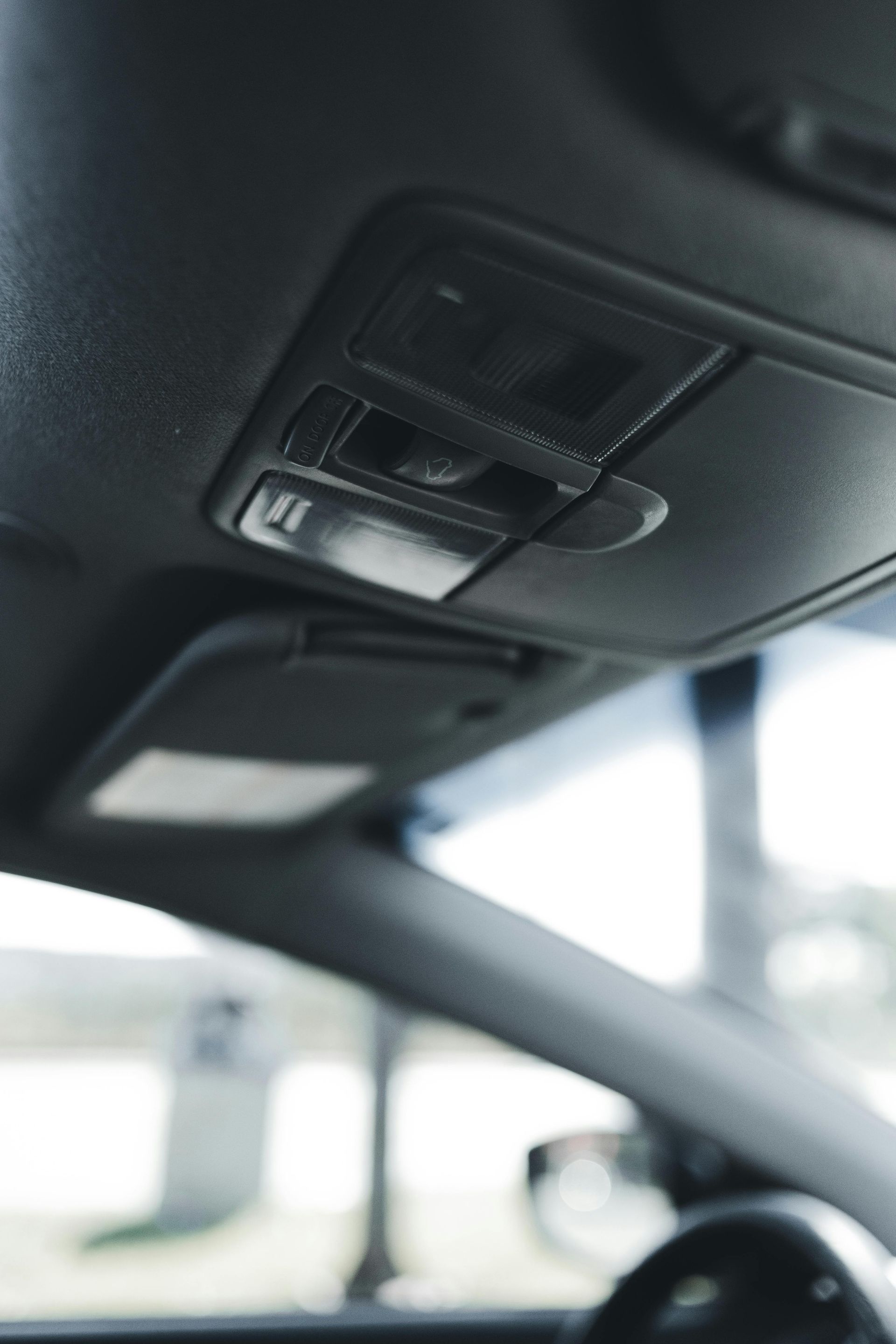
The roof lining in your vehicle consists of multiple layers working together to create a finished interior surface. This composite structure provides insulation, sound dampening, and aesthetic appeal, but each layer responds differently to environmental stresses. Knowing how your headliner is constructed helps you understand why certain types of damage occur and how they progress over time.
The outer fabric layer that you see when looking up inside your car attaches to a rigid backing board, typically made from compressed foam or fibreglass composite material. Between the fabric and the backing board sits an adhesive layer that bonds these components together. This adhesive represents the weakest link in the system, as it degrades when exposed to heat and moisture. Additional insulation materials often exist between the backing board and the metal roof, providing temperature control and reducing road noise.
Modern vehicles use polyurethane foam-backed fabrics for headliners in most applications. The foam backing adds thickness and a soft feel to the fabric while providing some adhesive surface for bonding. This foam backing, while effective when new, breaks down over time when exposed to heat cycles. As the foam deteriorates, it loses its ability to maintain the bond between fabric and backing board, leading to the sagging that characterises failed roof linings.
Older vehicles often used different materials that respond to environmental stress in varying ways. Classic cars might have vinyl or leather headliners, while vehicles from the 1980s and 1990s often used fabric glued directly to cardboard backing boards. These older materials can be more or less durable than modern alternatives, depending on specific construction methods. Understanding your vehicle’s age and original materials helps predict which types of damage are most likely to occur.
The metal roof panel above all these layers creates the environment your headliner must survive. Metal conducts heat readily, meaning your roof panel temperature closely tracks outdoor conditions. On hot summer days, metal roof temperatures can exceed 70 or 80 degrees Celsius, creating an oven-like environment directly above your headliner materials. This extreme heat radiates downward into the adhesive and foam layers, accelerating their deterioration. Similarly, the metal roof’s temperature drops rapidly on cool nights, creating condensation that introduces moisture into the headliner assembly.
How Heat Breaks Down Adhesive Bonds
Heat represents the primary enemy of roof lining adhesives, causing chemical changes that permanently weaken bonding strength. Sydney’s summer temperatures create conditions that rapidly age headliner adhesives, particularly in vehicles that park outdoors without shade protection. Understanding the mechanisms of heat damage explains why some vehicles experience roof lining failure after just a few years while others last decades.
- Adhesive chemistry changes fundamentally when exposed to sustained high temperatures. The polymers in automotive adhesives begin to break down when temperatures exceed approximately 60 degrees Celsius. This breakdown involves chemical bonds within the adhesive material weakening and separating, reducing the adhesive’s ability to maintain grip on both the fabric and backing board. Each heat cycle causes incremental damage, with the adhesive losing a small percentage of its bonding strength. Over months and years, these small losses accumulate until the adhesive can no longer support the weight of the fabric and foam backing.
- Direct sunlight through windows intensifies heat damage in specific areas. The rear window in most vehicles allows sunlight to strike the rear portion of the headliner for hours each day when parked. This concentrated solar heating creates hot spots where temperatures exceed the general roof temperature by 10 to 20 degrees. You will often notice that headliner sagging begins at the rear of the cabin near the back window for this reason. The extra heat in this area accelerates adhesive failure, creating the characteristic drooping that starts at the back and progressively moves forward.
- Dark-coloured roof fabrics absorb more heat than light colours, accelerating deterioration. Black or dark grey headliners, common in many vehicles, absorb solar radiation more efficiently than beige or light grey alternatives. This absorption increases the fabric temperature, which conducts additional heat into the adhesive layer beneath. While the colour difference might seem minor, it can reduce headliner lifespan by several years in vehicles regularly exposed to direct sunlight. This factor partially explains why some vehicle models experience headliner failure more frequently than others despite using similar construction methods.
- Thermal cycling creates mechanical stress beyond simple heat exposure. The expansion and contraction that occur as your car heats during the day and cools at night place physical stress on the adhesive bonds. Materials expand at different rates, with metal expanding more than foam backing and fabric. These differential expansion rates create shearing forces at the adhesive interface that mechanically weaken the bonds. A vehicle that experiences consistent temperatures would maintain its headliner longer than one subjected to daily temperature swings of 40 or 50 degrees.
- Cumulative heat exposure matters more than peak temperatures for long-term damage. A vehicle that parks in partial shade during Sydney summers will maintain its headliner longer than one in full sun, even if both occasionally experience similarly hot days. The total number of hours the adhesive spends at damaging temperatures determines the degradation rate. This cumulative effect explains why garage-kept vehicles often have pristine headliners even after 15 or 20 years, while similar models that park outdoors might fail after just five to seven years.
Signs Your Roof Lining Is Deteriorating
Recognising the early
signs of roof lining damage allows you to address problems before they become severe. Small areas of degradation can often be repaired relatively easily, while advanced failure requires complete headliner replacement. Learning what to look for during regular vehicle use helps you catch problems at the most cost-effective intervention point.
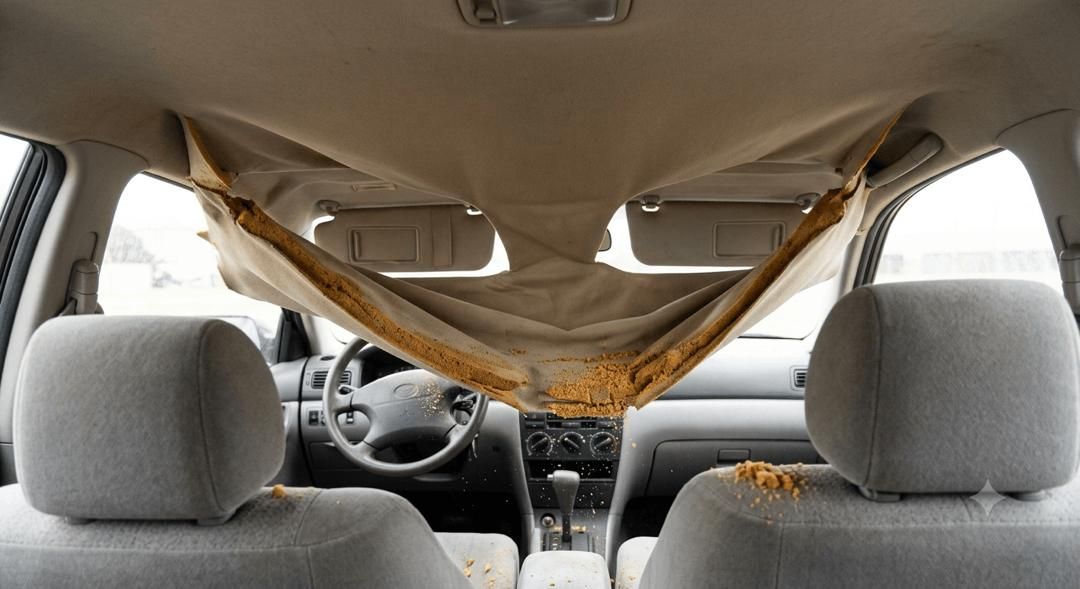
- Sagging represents the most obvious sign of adhesive failure. The headliner fabric begins to separate from its backing board, creating visible drooping that worsens over time. Sagging typically starts in the rear cabin area near the back window, where heat exposure is greatest. Initially, you might notice just a slight downward bulge or wrinkle. Without intervention, this small sag progressively extends forward across the roof, eventually hanging down far enough to obstruct rear vision or touch passengers’ heads. Some headliners fail suddenly, dropping large sections all at once after adhesive degradation reaches a critical point.
- Discolouration and staining indicate moisture problems. Water stains appear as brown or yellow marks on the headliner fabric, typically near the edges where water enters through leaks. These stains often feel damp to the touch and may grow larger after rain. Sun damage creates fading, particularly noticeable in darker headliners, where areas exposed to direct sunlight become lighter than shaded sections. This uneven fading makes your interior look worn and neglected, even if the structural integrity remains intact.
- Texture changes signal foam backing deterioration. As the foam backing breaks down from heat exposure, it becomes brittle and crumbly. You might notice the headliner feeling less padded or softer in certain areas. In advanced cases, you can feel the hard backing board through the fabric where the foam has completely disintegrated. Sometimes the foam breakdown creates a gritty or sandy texture that transfers to your fingers when you touch affected areas. This texture change indicates that the foam no longer provides an adequate bonding surface for the fabric.
- Visible wrinkles or bubbles suggest partial adhesive failure. Before complete sagging occurs, you might notice the headliner developing ripples, bubbles, or wrinkled areas. These imperfections indicate that the fabric has separated from the backing board in small sections but remains attached at surrounding points. The fabric pulls and bunches between attachment points, creating the wrinkled appearance. These early warning signs tell you that adhesive failure is progressing and complete sagging will likely occur within months if not addressed.
- Odours emanating from the headliner point to moisture and possible mould growth. A musty or mouldy smell that seems to come from above or intensifies when you run the air conditioning suggests moisture problems in your headliner. This smell often accompanies water leaks but can also result from condensation issues. Any persistent unpleasant odour warrants investigation, as mould in your vehicle’s interior affects air quality and can trigger allergic reactions or respiratory issues.
How to Extend Car Headliner Life
While you cannot completely eliminate heat and humidity exposure for your vehicle, strategic actions significantly extend the roof lining's lifespan. Implementing even a few protective measures can add years to your headliner’s life and delay or prevent expensive repairs.
- Parking in shaded or covered areas provides the most effective protection. Garaging your vehicle eliminates direct solar exposure and moderates temperature extremes substantially. If garage parking is unavailable, seek shaded street parking under trees or near buildings. Even partial shade during the hottest afternoon hours significantly reduces interior temperatures and accumulated heat damage. Car covers designed for outdoor use offer another option, though they are less convenient for daily drivers. The temperature reduction from shade parking can cut headliner adhesive degradation rates by 50 percent or more.
- Window tinting reduces solar heat gain through glass. Quality window tinting blocks infrared radiation that carries most of the solar heat energy. Tinting rear windows and the rear windscreen particularly benefits headliner longevity since this area experiences the most direct sun exposure in parked vehicles. Legal tinting limits in NSW allow 35 percent light transmission for rear windows, providing substantial heat reduction while remaining compliant. The investment in quality tinting pays back through extended headliner life and improved comfort in hot weather.
- Windscreen sun shades for parked vehicles provide targeted protection. Reflective shades placed across the windscreen and rear window reflect solar energy before it enters the cabin. This simple, inexpensive solution dramatically reduces interior temperatures during parking. Shades work best when fitted properly to cover the entire window area and secured so they do not blow away. The temperature difference between a vehicle with and without sun shades can exceed 15 degrees Celsius, directly reducing heat stress on headliner materials.
- Ventilation prevents humidity buildup and allows heat escape. Leaving windows cracked slightly when parked safely allows hot air to escape and permits air circulation that reduces humidity. Purpose-designed window vent visors allow you to leave windows open partially even during rain, providing ventilation without water entry. For vehicles parked in secure locations, leaving windows open a centimeter or two can dramatically reduce interior temperatures and moisture accumulation. This simple practice helps prevent condensation and allows accumulated moisture to escape rather than being trapped inside.
- Regular inspection of sunroof drains and windscreen seals prevents water damage. Check sunroof drain holes quarterly to ensure they remain clear of debris. You can test drains by pouring water into the sunroof channel and verifying it exits underneath the vehicle. Inspect windscreen and window seals for cracks or separation that might allow water entry. Addressing small seal issues before they cause leaks prevents the moisture damage that compounds heat-related deterioration. This preventive maintenance takes just minutes but can prevent thousands of dollars in interior damage.
- Climate control choices affect interior moisture levels. Running the air conditioning dehumidifies cabin air, reducing condensation risk. When parking after using air conditioning, consider running the system in fresh air mode for a minute before shutting down to remove excess moisture. In winter or cool weather, use the defrost function periodically to dry the interior and prevent mold growth. These simple habits help maintain lower interior humidity, reducing one of the key factors in headliner degradation.
Repair Options When Damage Occurs
Once headliner damage becomes visible, several repair approaches offer solutions depending on damage extent and your budget. Understanding available options helps you choose the most appropriate and cost-effective solution for your situation.
Professional headliner replacement provides the most comprehensive and permanent solution. This process involves removing the entire headliner assembly from the vehicle, stripping off old fabric and foam, cleaning the backing board, applying new adhesive and fabric, and reinstalling the assembly. Professional replacement ensures quality results that should last another 10 to 15 years with proper care. Costs typically range from $400 to $800 for standard vehicles and can exceed $1,200 for luxury cars or those with complex sunroof configurations. While expensive, a
professional replacement delivers factory-quality appearance and durability.
DIY headliner replacement appeals to mechanically inclined owners seeking cost savings. Replacement kits, including fabric, adhesive, and instructions, are available from automotive upholstery suppliers for $100 to $250. The process requires removing interior trim, extracting the headliner board, and carefully applying new materials. Success depends on patience, attention to detail, and having adequate working space to lay out the large headliner board. Many vehicle owners complete this project over a weekend, saving significant labor costs. However, mistakes can result in wrinkles, bubbles, or poor adhesion that look worse than the original sagging.
Temporary repairs using spray adhesive provide short-term solutions. Headliner-specific spray adhesives available from automotive stores can re-glue small sagging sections. This approach involves spraying adhesive on both the fabric and backing board, waiting for it to become tacky, then pressing the materials together firmly. Temporary repairs might last several months to a few years, depending on environmental conditions and the extent of existing damage. This option suits vehicles nearing the end of their service life or owners planning to sell soon who need a presentable interior without major investment.
Conclusion
Heat and humidity systematically destroy automotive roof linings through chemical breakdown of adhesives and physical degradation of foam backing materials. Sydney’s climate creates particularly challenging conditions with sustained summer heat that keeps headliner temperatures in the damaging range for months each year, while high humidity ensures moisture constantly stresses adhesive bonds. The combination of these factors means Sydney vehicles experience headliner failure more frequently and rapidly than those in more moderate climates. Understanding how environmental factors cause damage helps you recognize early warning signs like minor sagging, discoloration, or texture changes that indicate developing problems before they become severe.
Protecting your roof lining through simple preventive measures dramatically extends its lifespan and delays expensive repairs. Parking in shade, using sun shades, maintaining ventilation, and addressing water leaks promptly all reduce heat and moisture exposure that drives deterioration. When damage does occur, acting quickly while problems remain small provides the most cost-effective repair options. Whether you choose professional replacement for lasting quality, DIY solutions for cost savings, or temporary repairs for short-term needs, addressing headliner problems maintains your vehicle’s interior appearance, protects resale value, and ensures comfortable driving conditions. For Sydney vehicle owners, roof lining maintenance deserves attention as a normal part of automotive care in our demanding climate.
About Syd Roof Linings
Syd Roof Linings specialises in automotive headliner repair and replacement throughout Sydney, serving vehicle owners dealing with sagging, stained, or damaged roof linings. Their experienced technicians work with all vehicle makes and models, from everyday commuter cars to prestige vehicles and classics requiring special care. Using quality materials and proven techniques, they restore interior roofs to a factory-fresh appearance and ensure repairs withstand Sydney’s harsh climate conditions. Syd Roof Linings offers competitive pricing, convenient mobile services for many repairs, and expert advice on maintaining your vehicle’s interior in optimal condition for years of comfortable ownership.