The Hidden Signs Your Car’s Roof Lining Foam Has Started to Break Down
Australia’s harsh climate, characterized by intense sun and fluctuating coastal humidity, takes a heavy toll on automotive interiors, particularly the delicate backing situated directly beneath your vehicle ceiling fabric. Many vehicle owners only recognise an issue when the headliner completely collapses and drapes over their heads, but structural foam breakdown begins long before visible sagging occurs. Spotting these early warning signs allows you to address interior degradation before loose material obstructs your driving vision or creates a persistent mess inside your cabin. Understanding these subtle indicators is essential for maintaining your car's aesthetic appeal, market value, and overall interior hygiene.
Understanding Foam Degradation and Early Interior Warning Signs
Modern automotive ceiling lining relies on a sandwich construction consisting of a rigid substrate board, a thin layer of flexible polyurethane foam, and an outer decorative textile. During manufacturing, heat and pressure bond these components together to create a smooth, padded surface that dampens road noise and provides thermal insulation. Over time, intense heat build-up inside parked vehicles triggers a process known as thermal hydrolysis. This environmental stress degrades the cellular structure of the flexible foam, causing it to lose its elasticity and transform into a dry, crumbly powder. When drivers seek professional car roof lining repair Sydney services, they are often surprised to discover that the outer fabric itself remains intact while the hidden backing foam directly underneath has completely dissolved.
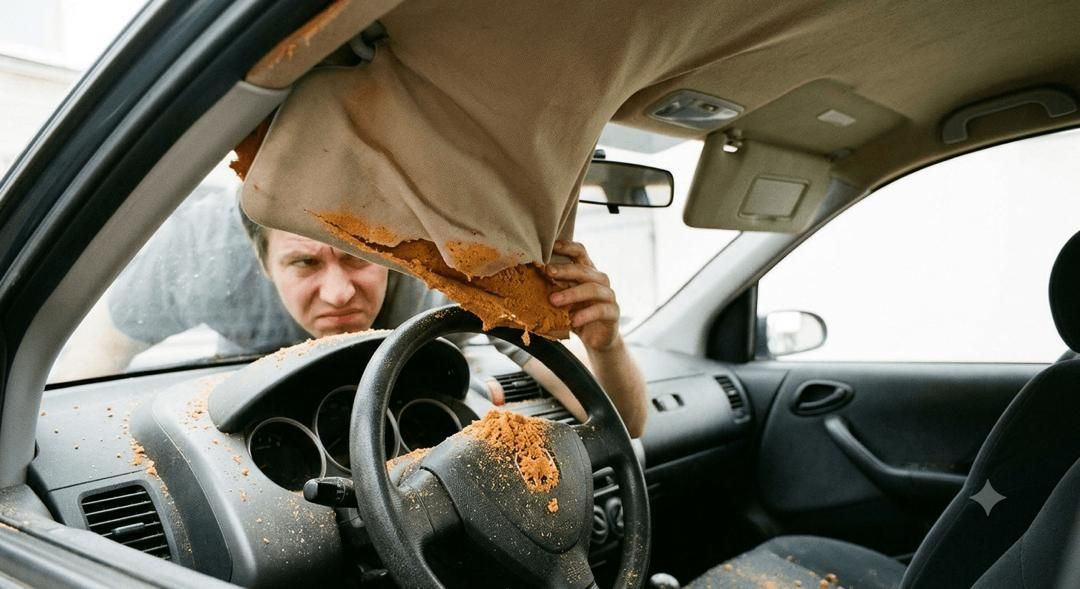
One of the earliest and most overlooked indicators of underlying foam breakdown is the sudden appearance of fine, colourful dust particles across your vehicle interior. As the polyurethane backing deteriorates, vibration from normal driving breaks the decaying material into microscopic crumbs. These small orange, yellow, or grey specks fall through tiny gaps around air vents, seatbelt apertures, and pillar joins, settling across your dashboard, centre console, and leather seats. If you notice a persistent, fine powdery residue returning shortly after vacuuming your cabin, it is a clear sign that the foam layer directly above your head has begun to fracture and shed.
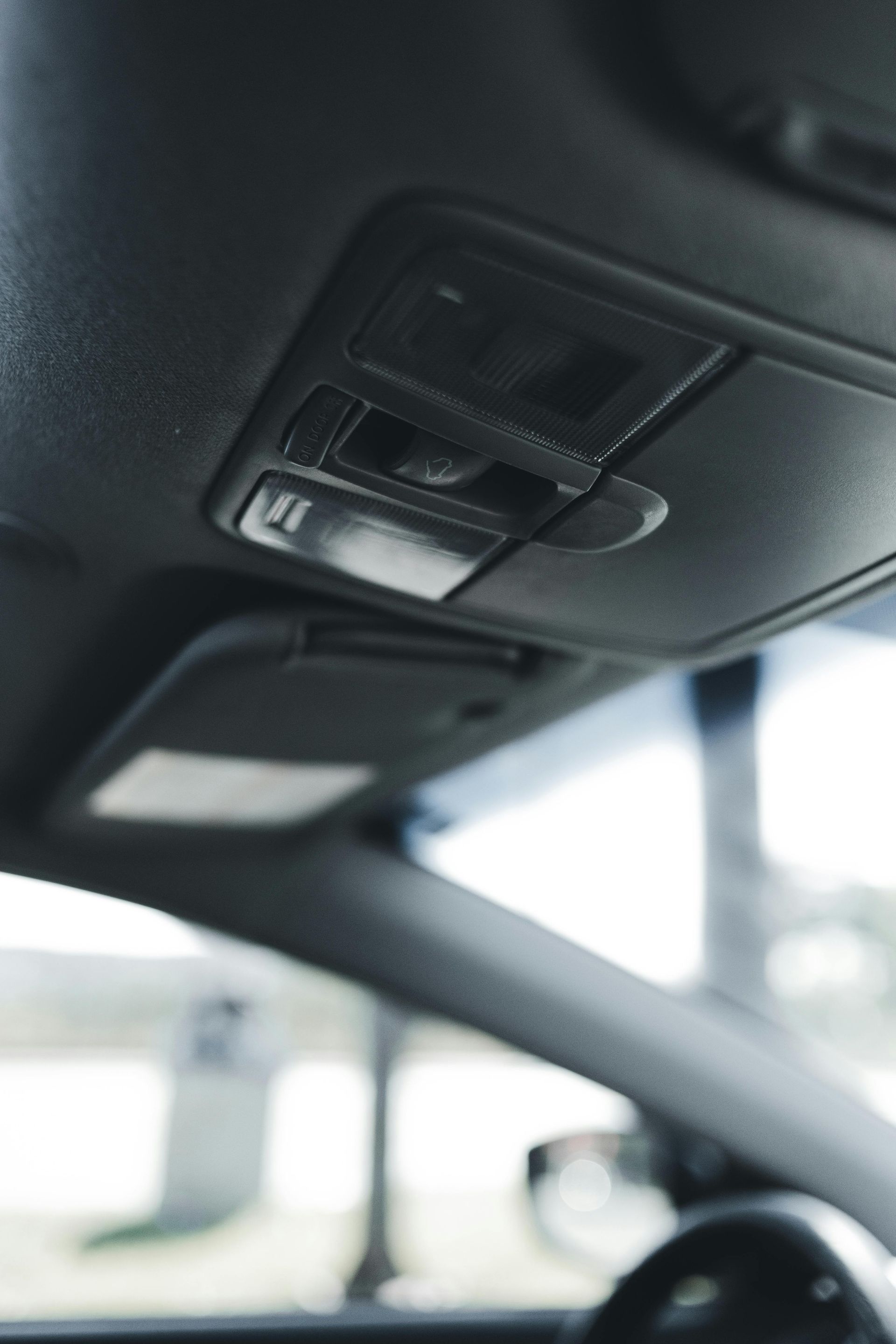
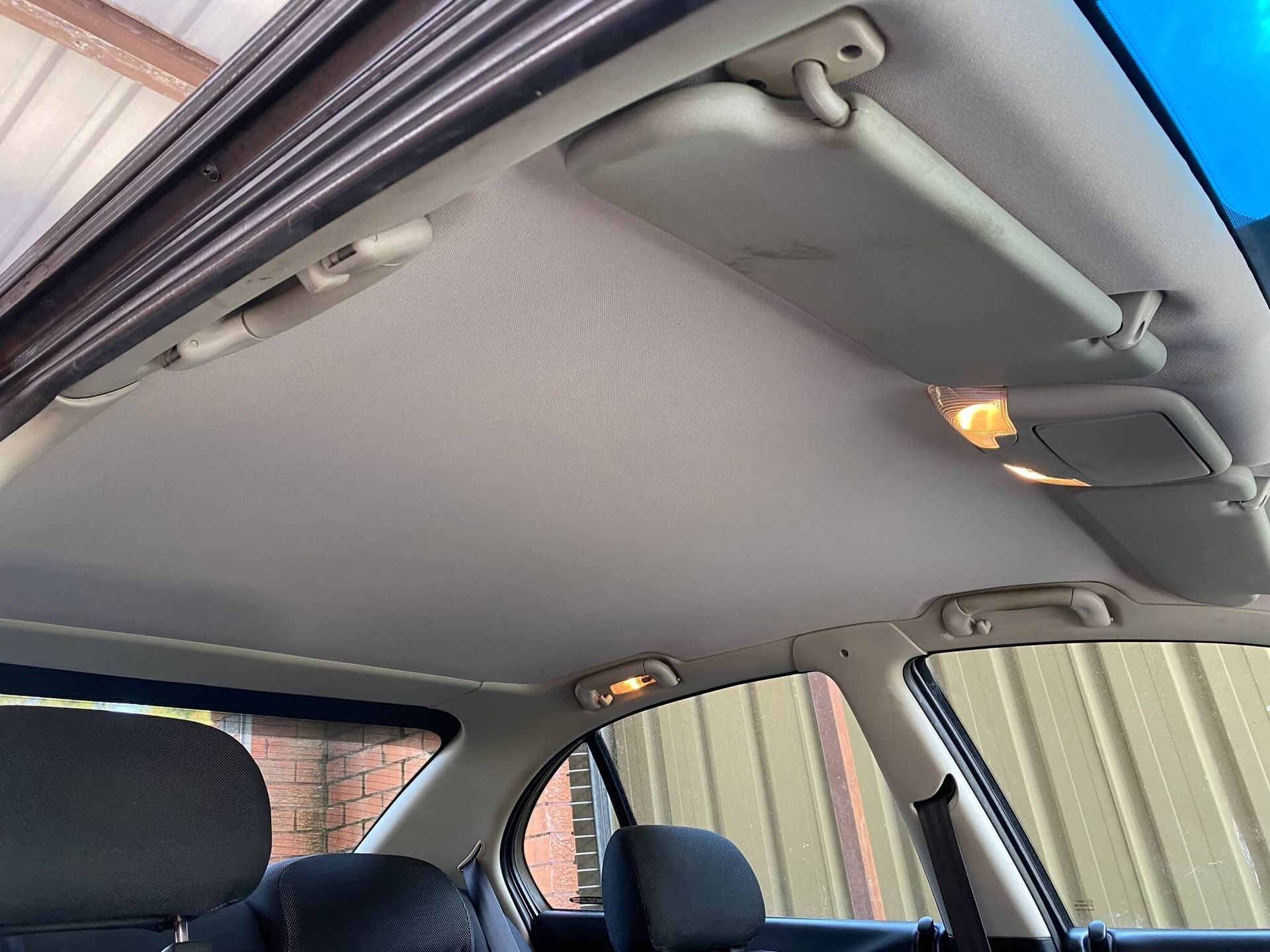
Another critical early sign involves subtle changes in the surface texture and firmness of your ceiling fabric. In a healthy car ceiling, pressing your fingers gently against the roof lining reveals a uniform, firm cushion that rebounds immediately upon release. As sagging headliner repair specialists know well, compromised foam loses its springiness, leaving shallow depressions or a hollow, soft feel under mild pressure. You may also observe micro-wrinkles or faint wave patterns forming along high-stress areas such as sun visor recesses, rear grab handles, and sunroof borders. Identifying these early signs of car roof lining foam breakdown enables car owners to plan timely maintenance before the fabric detaches entirely.
In addition to physical texture changes, owners should pay close attention to subtle acoustic shifts within the cabin. Because healthy headliner foam acts as a primary sound dampener, its chemical breakdown allows ambient road rumble and wind noise to penetrate the vehicle far more noticeably. You might also detect a faint, musty odour inside the vehicle after it has been parked in the sun with the windows closed. This distinct smell is caused by the off-gassing of aged chemical binders and contact adhesives as they break down under heat exposure. Addressing these sensory cues early protects both the structural integrity of your vehicle's headboard and your overall driving comfort.
The Physical Indicators of Advanced Headliner Foam Breakdown
As polyurethane degradation progresses beyond the initial powdering stage, the physical bond between the ceiling substrate and the decorative fabric fails rapidly. The first obvious sign of advanced breakdown is localised fabric separation, commonly appearing near the rear windshield or central cabin light fixtures. High cabin temperatures cause trapped air to expand behind loosened sections, creating soft billows or air pockets that expand during warm weather. What begins as a small two-centimetre bubble near an overhead console can spread across the entire width of the roof within weeks as gravity continuously pulls down on the unbonded textile.
When the interior foam layer breaks down completely, it produces a distinct sticky residue that complicates basic cleaning efforts. This yellowed, gummy substance consists of decomposed polymers mixed with aged contact adhesive. Touching a drooping section of fabric often transfers this tacky residue to your hands or clothing, leaving stubborn marks that are difficult to wash out. Attempting to press the loose fabric back onto the ceiling board by hand is generally ineffective, as the sticky, decomposed foam lacks the structural integrity required to hold the material in place.
Ignoring advanced ceiling collapse presents genuine safety concerns and functional hazards for everyday driving. A severely dropped headliner sags low enough to rest against the driver’s head or block the central rear-view mirror, severely compromising spatial awareness on busy roads. Furthermore, modern vehicles equipped with curtain airbags feature trim assemblies designed to deploy cleanly past fixed ceiling boundaries; hanging fabric and makeshift holding attempts can interfere with these vital safety systems. Drivers seeking comprehensive vehicle upholstery repair Sydney must address these structural failures promptly to restore cabin safety and interior air quality.
Many vehicle owners attempt quick temporary solutions such as push pins, double-sided tape, or off-the-shelf aerosol sprays to hold up sagging cloth. Unfortunately, these temporary fixes usually inflict permanent damage on the underlying fiberglass or pressed-cardboard substrate. Staples and pins puncture the headboard, while household spray adhesives react chemically with the decaying foam, turning it into a dense, hardened mass that requires extensive mechanical scraping during professional restoration. Recognising the physical signs of complete foam breakdown empowers owners to avoid ineffective DIY attempts and pursue proper trade restoration instead.
Practical Solutions and Professional Restoration Options
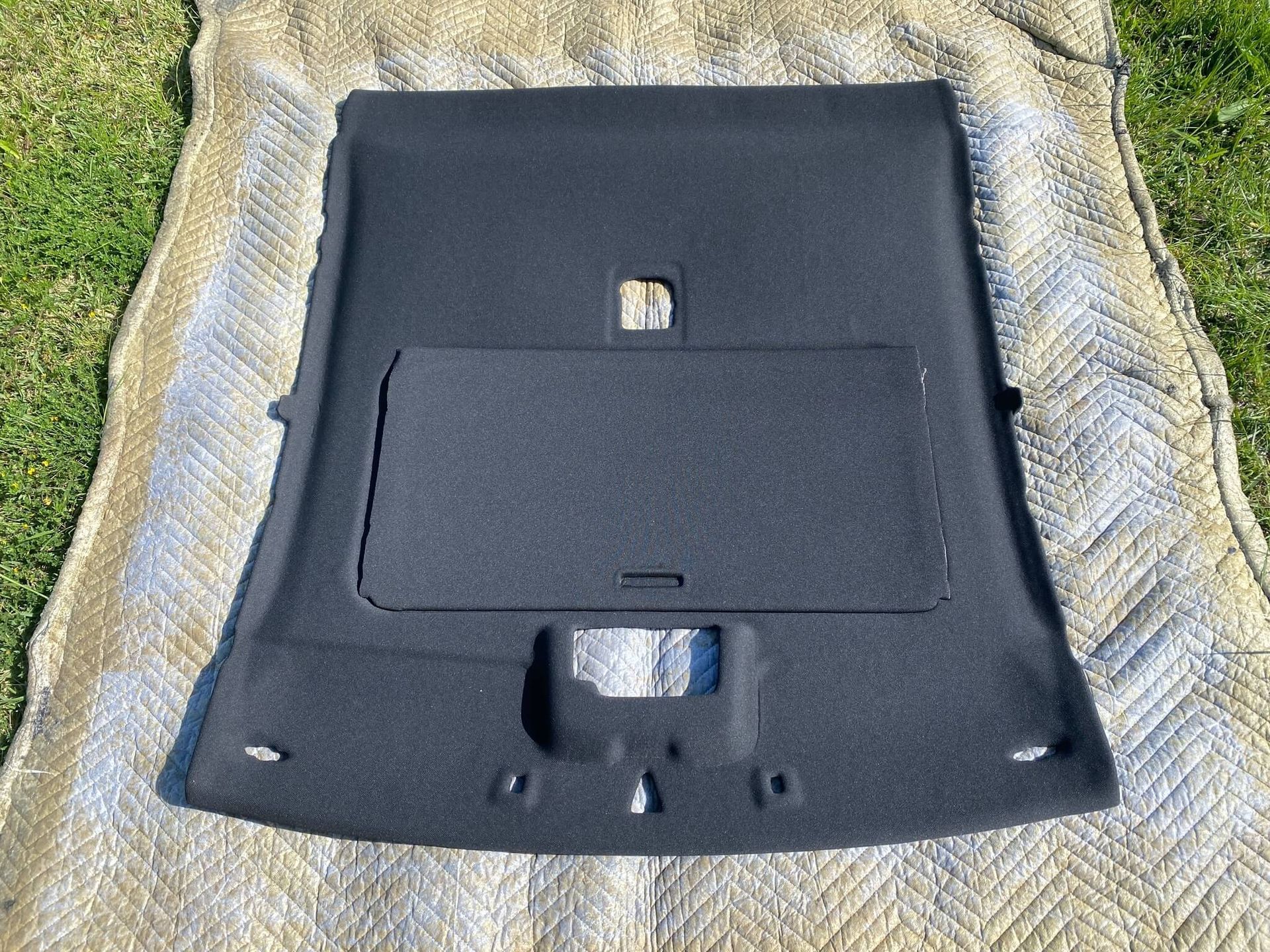
Resolving a decomposed roof lining requires a complete overhaul of the padded substrate rather than simple spot re-gluing. Because the original foam layer has turned to dust, applying fresh adhesive over old material merely sticks new glue to crumbling powder, resulting in immediate failure within days. Professional technicians begin the repair process by carefully removing all interior pillar trims, grab handles, sun visors, and light consoles to extract the entire headboard from the vehicle interior without bending or snapping the fragile core structure.
Once the headboard is removed from the cabin, meticulous substrate preparation takes place to ensure a flawless final finish. Mechanics use specialized wire brushes and solvent cleaners to strip away every trace of decomposed polyurethane and old, sticky glue. The bare fiberglass shell must be left perfectly smooth, dry, and free of contaminants before any new materials are applied. Skipping this labour-intensive cleaning phase severely compromises adhesive performance and leads to premature fabric detachment down the road.
The full restoration workflow follows a precise sequence to guarantee factory-standard results:
1. Complete Cabin Disassembly: Careful removal of sun visors, grab handles, interior pillar covers, and dome light assemblies to release the headboard board without creasing the substrate.
2. Substrate Preparation: Scraping and solvent-cleaning the bare fiberglass shell to eradicate every trace of degraded foam dust and sticky adhesive residue.
3. High-Temperature Bonding: Applying specialized, heat-rated contact adhesive across both the prepped board and fresh, foam-backed automotive fabric.
4. Precision Fitment and Reassembly: Wrapping the fresh material smoothly over contour lines before reinstalling the headboard and all original interior trim fixtures.
When assessing car roof lining replacement cost, several factors influence the final quote provided by reputable upholstery trades. Vehicle size plays a significant role, as large SUVs and dual-cab ute models require wider fabric rolls and additional labour hours compared to compact hatchbacks. Sunroof configurations, integrated sunroof blinds, and custom pillar wrapping also increase complexity, as these components demand precise hand-cutting and specialized tensioning. Investing in high-grade, UV-resistant fabric backed by fresh foam ensures that your newly restored ceiling withstands intense Australian summer heat for years to come.
Ultimately, choosing a professional restoration guarantees factory-quality fitment and restores your vehicle's interior acoustic insulation. Expert craftspeople utilize commercial contact adhesives specifically formulated to endure roof temperatures exceeding eighty degrees Celsius without melting or off-gassing. By understanding the underlying causes of foam decay and acting upon early warning signs, vehicle owners can efficiently manage interior upkeep, protect their vehicle investment, and enjoy a clean, quiet cabin environment on every journey.
Conclusion
Identifying early warning signs such as fine orange dust, subtle surface bubbling, and localized fabric separation saves car owners from sudden, severe interior ceiling collapse. Sun exposure and humidity continuously degrade the underlying polyurethane substrate, transforming once-firm padding into a brittle, sticky residue that compromises cabin comfort and driver visibility. Recognising these physical indicators early empowers drivers to address fabric detachment before temporary hacks cause irreparable damage to the underlying headboard structure.
Timely intervention ensures your vehicle remains safe, clean, and visually pristine while protecting its overall resale value over time. Entrusting the restoration process to experienced trade specialists guarantees that all degraded backing is thoroughly stripped and replaced with durable, heat-resistant materials tailored to Australian conditions. Taking action at the first sign of foam breakdown restores both your driving comfort and peace of mind for years to come.
About SYD Roof Linings
SYD Roof Linings is a premier mobile car roof lining specialist delivering top-quality automotive ceiling repairs and complete headliner replacements across the entire Sydney metropolitan area. With extensive expertise servicing all vehicle makes and models including hatchbacks, sedans, SUVs, 4WDs, utes, and European luxury vehicles with sunroofs their skilled auto trimmers bring professional craftsmanship directly to your home or workplace. By utilizing Australian-standard, heat-resistant foam materials and commercial-grade adhesives backed by a workmanship warranty, SYD Roof Linings delivers a clean, smooth, factory-style finish that restores interior comfort and boosts vehicle value with maximum convenience.